

 Facebook
 X
X
 Pinterest
 Copy Link
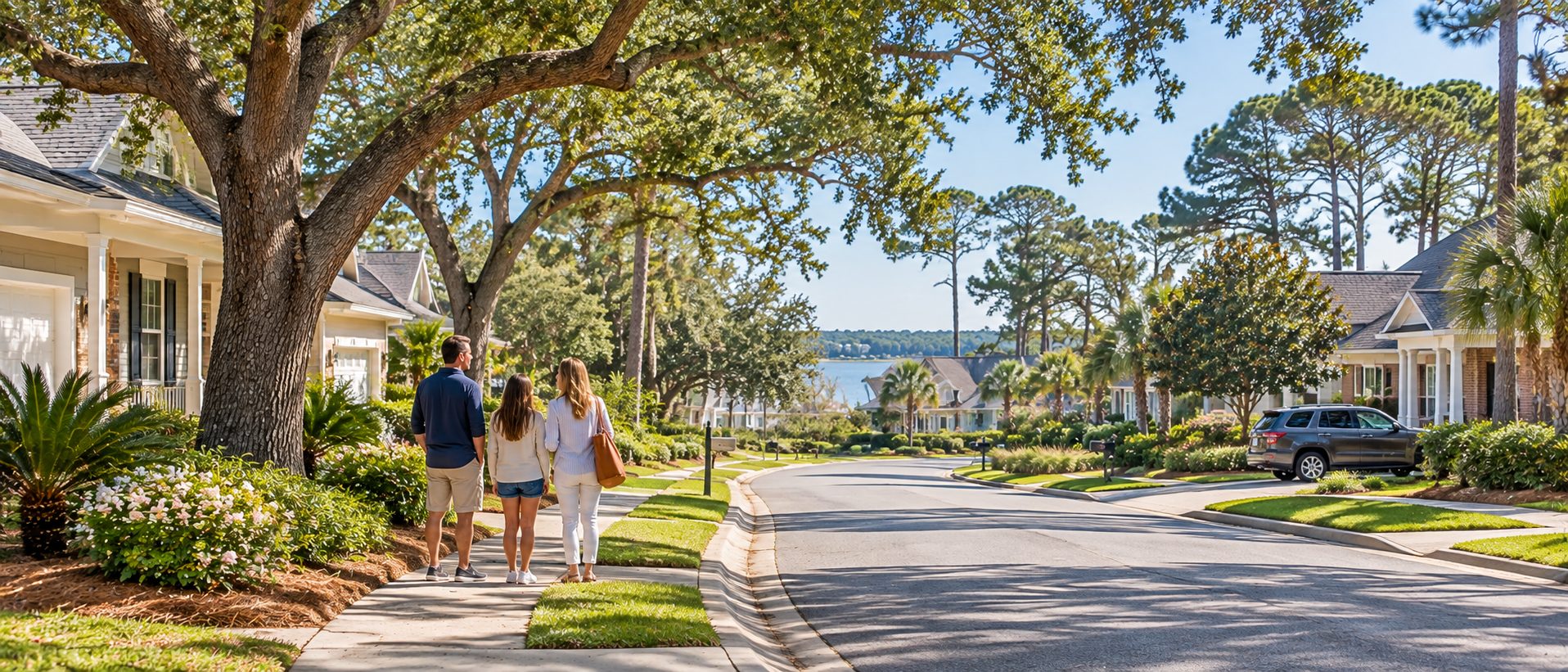
The questions worth asking before you fall in love with a property on the Emerald Coast.
Buying a home in Northwest Florida can look pretty straightforward when you’re searching from another state.
You find a house you like. The pictures look good. The price works. Maybe it’s close to the beach, near family, or in a community you’ve visited on vacation.
Then you start looking a little closer.
The neighborhood may be different from what you expected. The insurance costs may surprise you. And that twenty-minute drive you saw on the map might take considerably longer during the summer.
I’ve worked in real estate for more than 40 years, and one thing hasn’t changed: a good home purchase starts with understanding what you’re buying, not just liking what you see.
If you’re planning a move to Fort Walton Beach, Destin, Niceville, or another part of Northwest Florida, here are a few things I’d encourage you to consider before making a decision.
The Map Doesn’t Tell You Everything
Northwest Florida covers a lot of different communities, and they don’t all live the same way.
Destin has beautiful beaches, boating, restaurants, and plenty of visitors. Fort Walton Beach offers established neighborhoods, shopping, and convenient access to several surrounding communities. Niceville has a different pace, with its own neighborhoods, amenities, and connections to Eglin Air Force Base.
Even within the same city, two neighborhoods can feel completely different.
And distance on a map doesn’t always tell you how convenient a location will be.
A home that looks close to the beach might require crossing a busy bridge. A neighborhood that seems a little farther away could actually make your everyday routine easier.
My advice? Think about where you’ll spend most of your time.
Work. Groceries. Medical appointments. Family. Recreation.
A location that works beautifully for a week of vacation may not be the one you’d choose for everyday living.
Understand the Costs Beyond the Mortgage
This is an important one, especially for buyers moving from areas where insurance and weather-related considerations are different.
In Northwest Florida, the purchase price is only part of the ownership picture.
Depending on the property, you’ll want to understand homeowners insurance, wind coverage, flood risk, property taxes, and maintenance.
If you’re considering a condominium or a home in an association, review the fees, financial condition, rules, and any assessments or anticipated major expenses.
And don’t assume that two properties with similar asking prices will have similar ownership costs.
They may not.
I encourage buyers to get insurance information early, rather than waiting until they’ve already decided a property is the one.
If you’re considering a vacation or seasonal property, my guide to buying a second home on the Emerald Coast covers additional questions worth considering before you purchase.
A Home Looks Different in Person
Online listings are useful. So are video tours.
But neither one tells the whole story.
Photos won’t always show you how close the neighboring houses are, what the street sounds like, or whether the backyard gets much afternoon sun.
A floor plan might look spacious until you see how the rooms actually connect.
And a property that doesn’t photograph particularly well might turn out to be a much better fit than you expected.
I’ve written about how to evaluate a home beyond the photos, because the details you notice during a showing can matter just as much as the features that caught your attention online.
If you’re buying from out of state, it’s especially important to have someone who will tell you what they see—not just show you what looks good.
Sometimes that means pointing out something a buyer might rather not hear.
I’d much rather have that conversation before you buy.
Think About How You’ll Use the Home Year-Round
One of the biggest differences between visiting Northwest Florida and living here is experiencing the area throughout the year.
Summer brings visitors and traffic to many coastal communities. Weather conditions change. Some neighborhoods are active with vacation rentals, while others are primarily occupied by year-round residents.
Neither is automatically better.
It depends on what you want.
If you’re buying a primary residence, think about your daily routine.
If you’re buying a second home, consider how often you’ll use it, who will take care of it when you’re away, and whether you intend to rent it.
And if you’re relocating for military service, the relationship between your neighborhood, your assigned installation, and your family’s routine deserves particular attention. My Fort Walton Beach military relocation guide addresses some of those considerations.
The point is simple: buy for the life you’re actually planning to live here.
Not just the one you enjoyed during your last visit.
Give Yourself Room to Change Your Mind
I’ve had buyers arrive with a very specific idea of what they wanted.
Sometimes they find exactly that.
Other times, after seeing a few properties and spending time in different neighborhoods, their priorities change.
That’s not a problem.
That’s part of learning the market.
You might decide you’d rather have a smaller home in a more convenient location. Or that a little extra driving is worth having more space.
You may even discover that the community you originally planned to buy in isn’t the best fit after all.
A good search should allow for that.
There’s no prize for buying the first house you liked online.
Final Thoughts
Moving to Northwest Florida can be a wonderful decision. But like any real estate purchase, it deserves more than a quick look at the pictures and a drive through the neighborhood.
Understand the area. Know the costs. Ask questions. And make sure the property works for the way you intend to live.
If you’re considering a move to the Emerald Coast, I’m happy to help you sort through the options—even if you’re still trying to figure out which community makes the most sense.
No pressure. No pitch. Just a conversation.
Wayne Myshin
No mission is impossible.
