

 Facebook
 X
X
 Pinterest
 Copy Link
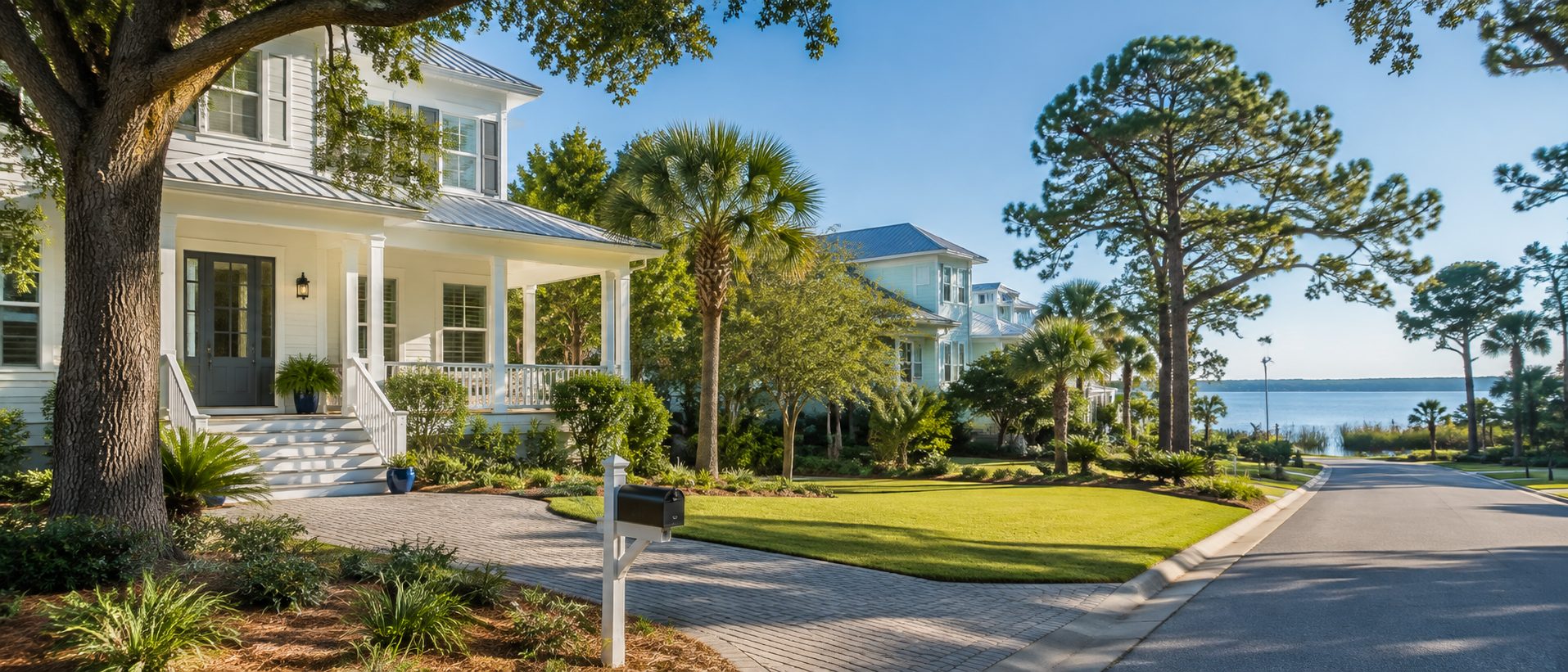
Online listings have gotten genuinely impressive. Professional photography, virtual tours, and 3D walkthroughs can give you a solid first look at a property. But after helping buyers through hundreds of transactions, I can tell you with confidence that photos show you what a home looks like, not what it feels like to live there. Some of the biggest surprises, good and bad, only reveal themselves when you’re standing inside.
Here’s what to pay attention to when you walk through a property, and why it matters more than the images on your screen.
And if you’re trying to decide which features deserve the most weight in the first place, I recently looked at which home features buyers love today — and which ones matter long-term. The two questions really go together: what should you value, and how do you recognize it when you’re standing in the home?
The Neighborhood Feel You Can’t Photograph
A wide-angle lens is great for making a living room look spacious. It’s terrible at conveying what it’s like to actually live on that street.
Before or after your showing, spend a few minutes just sitting in your car. What’s the traffic like at that time of day? Are neighbors out and active, or does the street feel empty? Drive through at different times if you can, once on a weekday morning and once on a weekend evening. A neighborhood that feels quiet at 10 a.m. on a Tuesday in February can feel very different on a Friday night in July when tourist season is in full swing.
This is especially worth keeping in mind in Fort Walton Beach, Destin, and the surrounding Emerald Coast, where communities that are peaceful and residential nine months of the year can shift noticeably during peak summer. That’s not necessarily a problem, but it’s worth understanding before you commit.
Look at the condition of nearby homes too. Overgrown lawns, deferred maintenance, and abandoned projects on neighboring properties aren’t just eyesores. They can influence future buyer perception and may tell you something about how the surrounding area is being maintained.
Traffic and Noise: The Things You Have to Hear
Check how close the home is to a major road, a highway on-ramp, or a flight path. Online maps can give you a rough idea, but there’s no substitute for standing in the backyard with the windows open.
In this area, there are a few noise factors worth understanding. Highway 98 is the main corridor connecting Fort Walton Beach, Destin, and the surrounding Emerald Coast, and homes within a block or two of it will have road noise year-round, with summer traffic making it noticeably worse.
If the home is near Eglin Air Force Base, jet noise is a real part of daily life. Many residents don’t find it bothersome, especially if they have ties to the military, but it’s something to experience firsthand rather than discover after closing. For buyers relocating here on military orders, proximity to the base is only one part of choosing where to live. I’ve covered more of those considerations in my guide to military relocation to Fort Walton Beach and Eglin AFB.
Ask your agent what time the showing is scheduled, and then ask yourself whether that time is representative of normal life at the property. A house two blocks from a school will be noticeably noisier at 7:45 a.m. and 3:15 p.m. A home near a boat launch or a popular beach access point might be quiet in the off-season and backed up with trucks and trailers every weekend in the summer.
Interior noise matters too. When you’re inside, pay attention to sound transfer between rooms and floors. Stomp lightly on the upstairs floor and listen for how much it carries below. Run a faucet and notice if you can hear the pipes. These are things that can make daily life noticeably better or worse, and they’re rarely visible in photos.
Natural Light Throughout the Day
Listing photos are almost always taken in the best light possible, often in the late morning or early afternoon with all the lamps on. What you want to know is what the home looks like at 6 p.m. on a January evening, or first thing on a cloudy morning.
Check which direction the main living areas and bedrooms face. In Northwest Florida, western exposure can be relentless in the summer months, with afternoon sun driving up cooling costs and making certain rooms uncomfortable. Gulf-facing or southern exposure is generally desirable, but a west-facing screened porch that looks beautiful in listing photos can feel like a sauna by 3 p.m. in August. East-facing bedrooms get morning sun, which many people appreciate, though it’s worth knowing before you decide.
If natural light is important to you, ask your agent to schedule a second visit at a different time of day. It’s a simple request, and the difference can be significant.
Storage: What You See Is Rarely What You Get
Virtually every buyer underestimates how much storage they need, and listing photos almost never show closets, attics, garages, or utility spaces at full capacity.
When you walk through, open every closet. Look at the depth and height of shelving. Check whether the garage can actually fit two cars or just one. Look for a dedicated linen closet, a coat closet near the entry, and adequate storage in the kitchen beyond just cabinet space. If the home has an attic, ask whether it’s floored and accessible.
A home with beautiful finishes but limited storage can become frustrating very quickly once you’ve moved in.
Maintenance Condition: Reading Between the Lines
Photos can hide a lot. A fresh coat of paint covers hairline cracks. A staged living room draws your eye away from the ceiling. Landscaping can mask grading issues around the foundation.
In a coastal market like Destin and Fort Walton Beach, maintenance condition deserves extra attention. Salt air, humidity, and the occasional severe storm are hard on homes here in ways that aren’t as common inland. When you’re walking through a property, look at the exterior trim, the roof, and any wood elements like decking or soffits. Look for rust staining around fasteners or fixtures. Check the age of the HVAC system and ask when it was last serviced. Air conditioning systems work hard year-round in this climate, and a neglected unit is one of the more common post-closing surprises buyers face.
Inside, look up, look down, and look at the things that don’t photograph well. Are there water stains on the ceilings, even faint ones? Do the floors feel bouncy or uneven underfoot? Do doors and windows open and close smoothly, or do they stick? Are the caulk lines in the bathrooms fresh and clean, or cracked and discolored?
These details don’t automatically mean serious problems, but they’re worth asking about. A professional home inspection can identify issues you aren’t equipped to evaluate during a showing, but your own observations can still tell you a lot about how well the property appears to have been cared for.
Floor Plan Functionality in Real Life
Open floor plans photograph beautifully. They can also be loud, hard to furnish, and offer very little privacy for people who work from home or have kids doing homework while someone else is cooking dinner.
As you walk through, try to imagine your actual life in the space. Where would you set up your home office? Is there a good drop zone near the entry for bags, shoes, and mail? Can you get groceries from the garage to the kitchen without going through the living room? Is there a bedroom or bathroom configuration that works for the way your household actually functions?
A well-photographed home with a floor plan that doesn’t match your lifestyle will wear on you quickly.
Thinking About Future Resale
You don’t need to think about selling the day you’re buying, but it’s worth keeping in mind. Certain features that feel like minor issues to you personally, like being on a very busy road, backing up to a commercial property, or having an unusual layout, can affect your buyer pool when it’s time to move on. More buyers means more competition, which generally means a better outcome for you.
In the Destin and Fort Walton Beach market, a few things carry extra weight for resale. Flood zone designation affects both insurability and buyer financing options, so it’s worth understanding which zone a property sits in before you fall in love with it.
Short-term rental eligibility is another factor that matters to a wide range of buyers in this area, whether or not you plan to rent the home yourself. If an HOA restricts rentals or the zoning doesn’t allow them, that narrows your future buyer pool. It may still be the right home for you, but it’s a data point worth having. That’s particularly important if you’re considering the property as a second home. Even if rental income isn’t part of your plan today, understanding the property’s options can help you make a more informed long-term decision. My guide to buying a second home on the Emerald Coast covers the broader ownership considerations worth thinking through before you buy.
This doesn’t mean you should avoid a home just because it has some quirks. But it’s worth asking your agent how the property’s specific characteristics are likely to play in this market when the time comes.
A Final Word
The best decisions in real estate come from taking your time, asking good questions, and paying attention to things that can’t be staged or photographed. A house that looks ordinary in photos can feel like an ideal fit once you’re inside. The reverse is also true.
If you have questions about a specific property in Fort Walton Beach, Destin, or elsewhere along the Emerald Coast—or want a second set of eyes during a showing—I’m always happy to talk through what you’re seeing. No pressure, no pitch. Just someone who’s been through enough of these to help you ask the right questions.
Wayne Myshin
No mission is impossible.
