

 Facebook
 X
X
 Pinterest
 Copy Link
When people start thinking about buying a vacation home, one question comes up almost immediately:
“Shouldn’t it be paying for itself?”
It’s understandable.
Short-term rentals have become a popular way to offset ownership costs, and many buyers assume that’s simply what you do.
But the truth is, not every second home has to be a vacation rental to be a good investment.
Sometimes, the greatest return isn’t measured in rental income.
A Vacation Home Can Have Different Purposes
Every buyer has different goals.
Some hope to generate income whenever they’re not using the property.
Others are looking for something entirely different:
- a place for family vacations
- a future retirement home
- a gathering place for children and grandchildren
- a peaceful escape from everyday life
None of those reasons are more “correct” than another.
The best purchase is the one that supports your long-term plans.
Return on Investment Isn’t the Only Return
Real estate conversations often focus on numbers.
Rental income.
Occupancy.
Appreciation.
Cash flow.
Those are all important.
But homeowners often receive something equally valuable that never appears on a spreadsheet.
Years of family traditions.
Holiday gatherings.
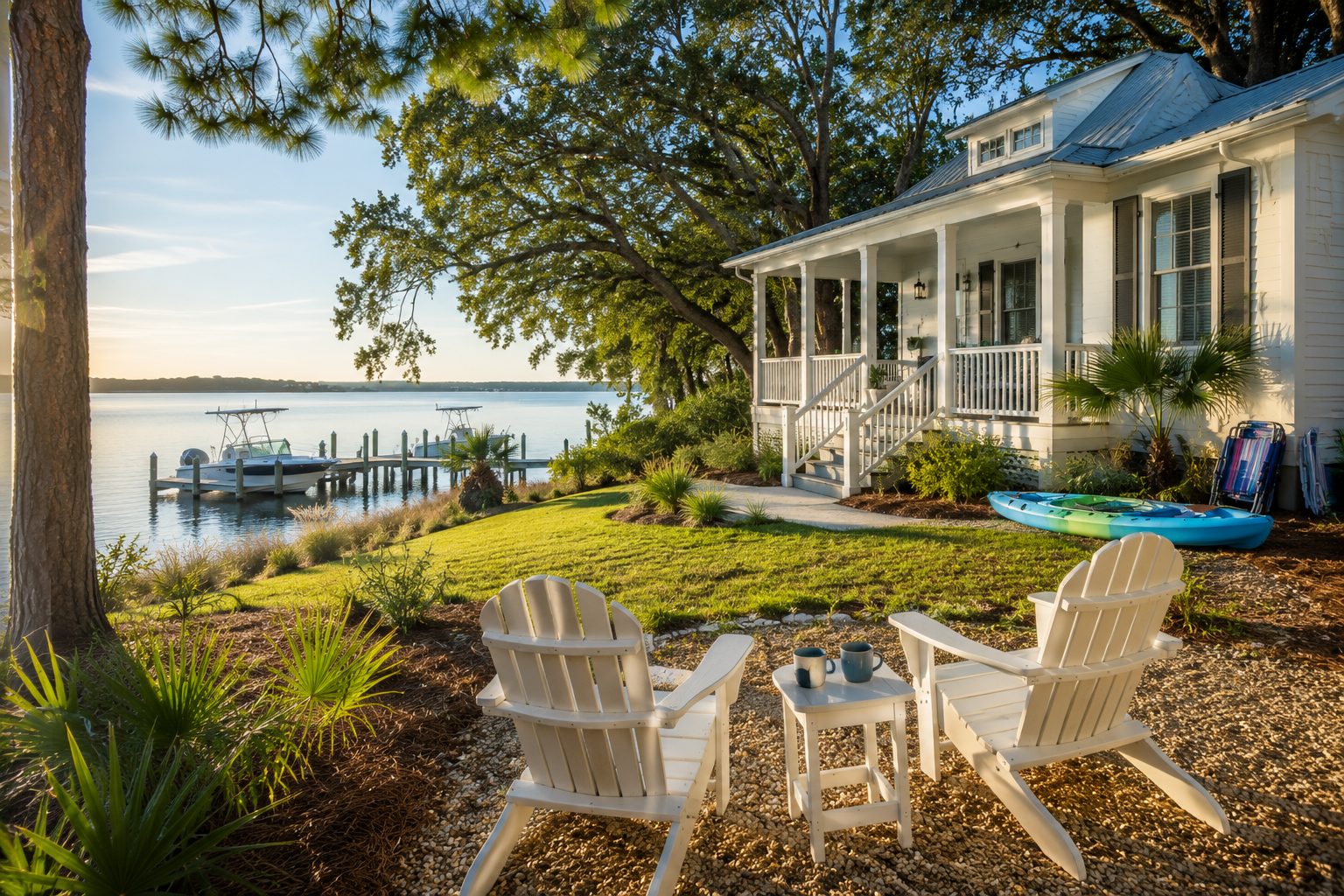
Summer mornings on the porch.
Children learning to fish from the dock.
Grandchildren who grow up thinking of one special place as “the beach house.”
Those experiences become part of the property’s value, even though they can’t be measured financially.
Financial Value Still Matters
Choosing not to rent doesn’t mean ignoring the financial side of ownership.
Buyers should still evaluate:
- purchase price
- insurance
- maintenance
- taxes
- long-term appreciation
- future resale potential
A well-chosen property can continue building equity while serving as a place your family enjoys for years.
Renting Isn’t Right for Everyone
Many owners discover they simply prefer having their property available whenever they want to visit.
Others appreciate:
- keeping personal belongings in place
- avoiding guest turnover
- reducing wear and tear
- maintaining privacy
Owning a vacation home is a lifestyle decision as much as it is a financial one.
Think About Your Future Plans
Some buyers purchase a vacation home knowing they’ll eventually retire there.
Others expect the property to remain in the family for generations.
Still others simply enjoy having a familiar place to return to year after year.
Thinking beyond today’s market helps put the purchase into perspective.
There Is No “Right” Way to Own a Vacation Home
The Emerald Coast attracts buyers with many different goals.
Some maximize rental income.
Some never rent at all.
Most fall somewhere in between.
The important thing isn’t following someone else’s strategy.
It’s buying a property that fits the way you want to live. That makes a vacation property successful.
Quick Answers About Vacation Homes
Do I have to rent my vacation home?
No. Many owners purchase second homes strictly for personal use.
Is a vacation home still an investment if I don’t rent it?
It can be. Long-term appreciation and equity growth are often important parts of ownership.
Will not renting hurt resale value?
Generally, no. In some cases, a well-maintained owner-occupied property may actually show better than one with years of heavy rental use.
Should I decide about renting before buying?
It’s helpful to think through your long-term goals before purchasing so you choose a property that supports your intended use.
Final Thoughts
Owning a vacation home isn’t just about generating income.
For many families, it’s about creating a place where life slows down, traditions grow, and memories are made.
If the property also appreciates over time, that’s certainly a benefit.
But sometimes the greatest return comes from simply having a place that always feels like home.
Wayne Myshin
No mission is impossible.
