

 Facebook
 X
X
 Pinterest
 Copy Link
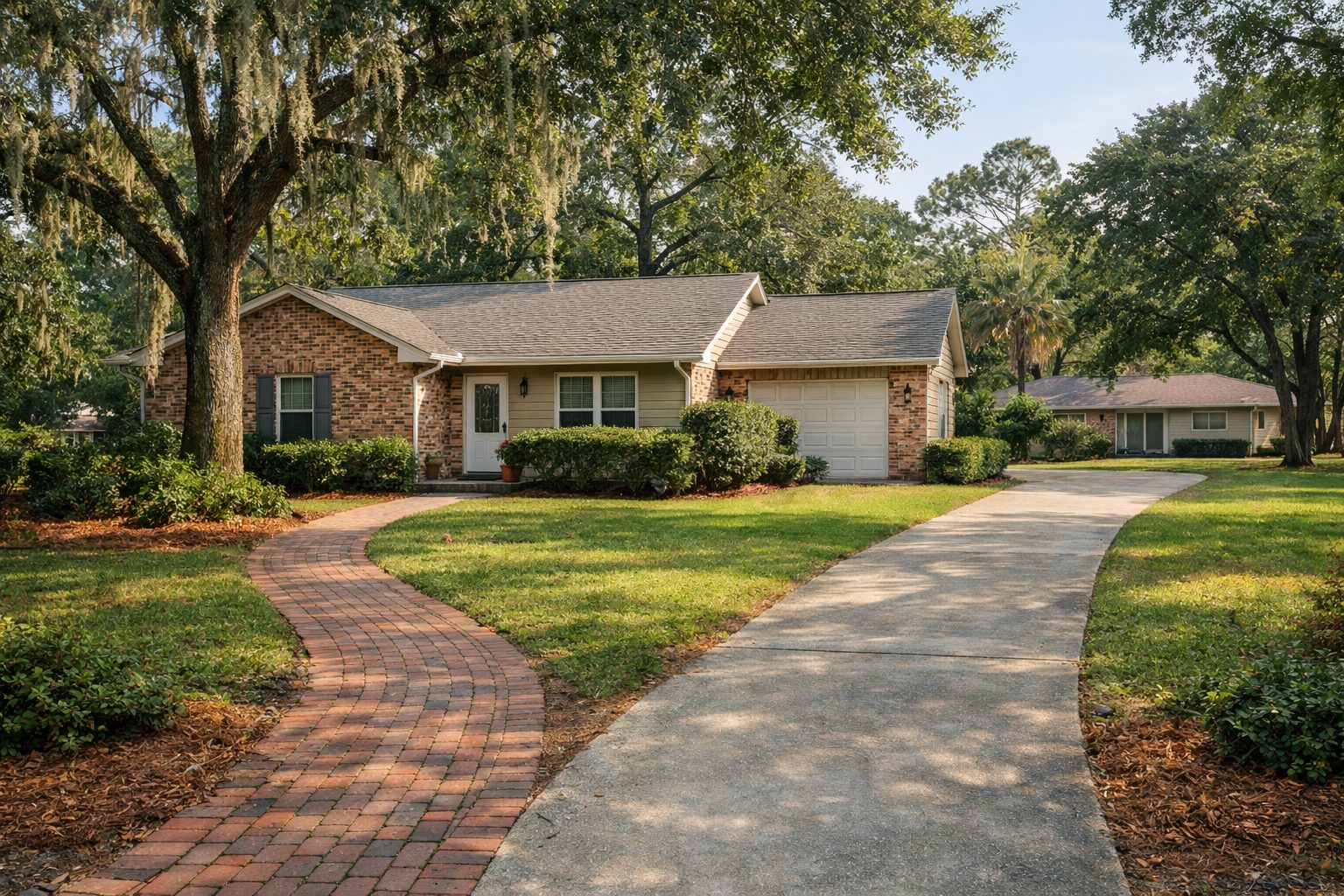
When a property becomes part of an estate, multiple heirs are often involved in deciding what happens next.
Sometimes everyone agrees quickly about selling the property.
Other times, opinions differ.
One heir may want to sell immediately.
Another may want to keep the property.
Someone else may be emotionally attached to the home.
Disagreements like this are more common than people expect when families are dealing with probate real estate.
The key is understanding how those situations are typically resolved.
Why Heirs Sometimes Disagree
There are many reasons heirs see things differently.
Some of the most common include:
• emotional attachment to the property
• financial needs or expectations
• differing opinions about market value
• disagreements about repairs or improvements
• uncertainty about the probate process itself
Because probate often follows the loss of a loved one, emotions can understandably run high.
That’s why having clear information about the process can help families move forward more calmly.
Who Actually Has Authority to Sell the Property?
In many probate situations, the personal representative (executor) appointed by the court has the authority to manage estate assets.
That authority may include selling the property if it is necessary to settle the estate.
However, the exact rules can depend on:
• the language of the will
• probate court requirements
• whether all heirs agree on the sale
If you’re new to the process, this guide explains how probate real estate works in Northwest Florida and what families should expect when selling probate property.
When Communication Breaks Down
Many disagreements between heirs are not really about the property itself.
They’re about communication.
Some heirs may feel left out of decisions.
Others may not fully understand the legal process.
Clear communication early can prevent small disagreements from becoming larger conflicts.
In many probate situations, simply outlining the options helps families find common ground. In fact, disagreements between heirs are often connected to other common probate sale issues. I explain several of those in this article about mistakes families make when selling probate property.
Options When Heirs Cannot Agree
When disagreements continue, several options may be considered depending on the estate situation.
These can include:
• one heir buying out the others
• selling the property and dividing the proceeds
• renting the property temporarily
• seeking guidance through the probate court
Every estate is different, which is why the probate process exists to help provide structure when decisions are difficult.
Why Probate Real Estate Often Requires Extra Care
Selling probate property is rarely just a normal real estate transaction.
There may be:
• multiple heirs involved
• legal timelines to consider
• estate documentation requirements
• emotional factors tied to the property
Because of that, probate property sales often require a little more patience and coordination than typical home sales.
In situations where heirs cannot agree on selling probate property, estate attorneys often help guide the process so decisions stay aligned with the legal structure of the estate. Real estate professionals experienced with probate properties can work alongside that guidance to help families understand their options and move forward responsibly.
Final Thoughts
Disagreements between heirs are not unusual during probate.
Most families simply want to make responsible decisions while respecting both the estate process and the memories tied to the property.
With clear information and thoughtful guidance, probate property sales can move forward even when decisions are difficult.
Families navigating probate property decisions often find it helpful to understand both the legal process and the practical steps involved in selling estate real estate.
Wayne Myshin
No mission is impossible.
